
Effective Ways to Reduce Food Waste at Home
virufaa.pro >> Food Waste>>Sustainability>> Effective Ways to Reduce Food Waste at Home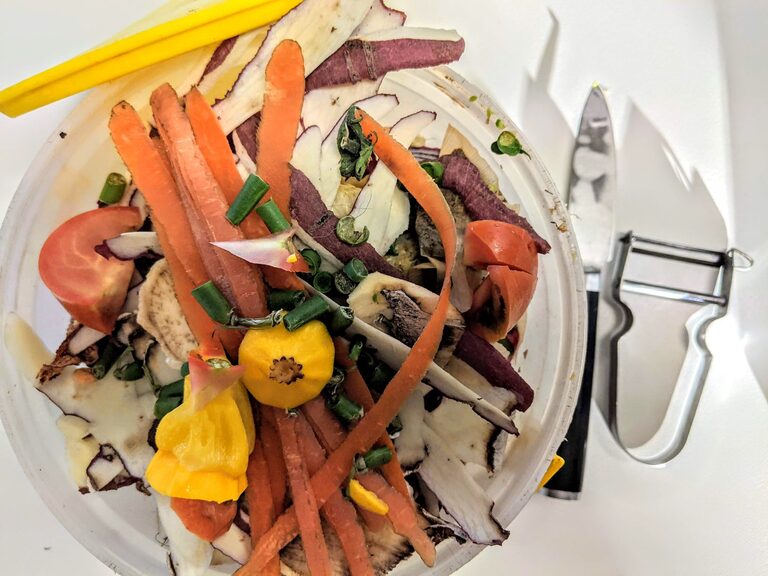
Effective Ways to Reduce Food Waste at Home
Reducing food waste at home is a powerful way to save money, conserve resources, and protect the environment. With a little planning and mindful habits, you can make a significant impact. This guide offers practical strategies to help you minimize food waste and make the most of the food you buy.
Why Reducing Food Waste Matters
Food waste has environmental, economic, and social consequences. When food is thrown away, the energy, water, and labor used to produce it are also wasted. Additionally, food scraps in landfills contribute to greenhouse gas emissions. By reducing waste, you play a part in preserving natural resources and lessening your ecological footprint.
Plan Your Meals Wisely
Create a Weekly Meal Plan
Planning meals ahead can prevent impulse purchases and reduce the chance of uneaten food. Take stock of what you already have and build your meals around those ingredients. A meal plan helps you shop smarter and use everything you buy.
Make a Shopping List
Based on your meal plan, write a shopping list and stick to it. Avoid buying items you don’t need, especially perishable products. This habit reduces excess food that often goes to waste.
Shop Smart and Store Properly
Buy Only What You Need
Purchase ingredients in quantities that you can reasonably consume before they spoil. Consider the size of your household and how often you cook at home to avoid overbuying.
Learn Proper Food Storage
Different foods require different storage methods. For example, keep leafy greens in the crisper drawer with a damp cloth to maintain freshness. Store bread in a cool, dry place or freeze it to extend shelf life. Proper storage can significantly slow down spoilage.
Use Leftovers Creatively
Repurpose Leftovers
Transform leftovers into new meals instead of discarding them. For example, roasted vegetables can be added to soups or salads, and stale bread can become croutons or bread pudding.
Keep a Leftover Day
Designate one day a week to use up any leftovers. This practice ensures food does not get forgotten in the fridge and reduces waste.
Practice Portion Control
Serve Appropriate Amounts
Serving just the right portion sizes helps avoid uneaten food on the plate. You can always go back for seconds if still hungry, but it’s harder to save uneaten large portions.
Use Smaller Plates
Smaller plates can help control portion sizes visually, encouraging you to take less food and reducing waste.
Compost Food Scraps When Possible
Collect Kitchen Scraps
Instead of throwing vegetable peels, coffee grounds, and eggshells into the trash, collect them for composting. Composting transforms organic waste into nutrient-rich soil for your garden.
Use a Compost Bin
If you have space, a compost bin in your backyard is an easy way to recycle food scraps. If not, look for local community composting programs.
Understand Expiration Dates
Learn the Difference Between “Best By” and “Use By”
“Best By” dates often indicate quality rather than safety. Food might still be good to eat after this date. “Use By” dates are more critical for safety. Understanding these labels can help reduce premature disposal of food.
Use Your Senses
Smell, look, and taste food carefully before throwing it out. If something seems off, discard it, but don’t rely solely on dates.
Donate Surplus Food
If you have non-perishable or unused food in good condition, consider donating it to local food banks or shelters. Sharing surplus resources helps those in need and reduces waste.
Educate Your Household
Make sure everyone in your home understands the importance of reducing food waste. Share tips and encourage mindful habits like checking the fridge regularly and using food before it expires.
—
By incorporating these simple practices into your daily routine, you can reduce food waste significantly. Not only will you save money, but you’ll also contribute to a healthier planet and a more sustainable lifestyle. Start small, and build good habits over time — every bit helps!